

Despite what many homeowners may think, it’s never too early to start preparing your lawn for spring.
One of the most beneficial things you can do for your lawn in the fall is aeration. After months of summer heat, dry conditions, and activity, the soil beneath your grass can become compacted, making it harder for water, air, and nutrients to reach the roots.
Aerating in the fall can help relieve that compaction and give your lawn the conditions it needs to recover, strengthen its root system and come back healthier in the spring.
What Is Lawn Aeration?
A busy summer can take a toll on your lawn. Foot traffic, outdoor activities, pets and Northern Nevada’s hot, dry weather can all contribute to compacted soil.
When soil becomes compacted, there is less space for air, water and nutrients to move through it and reach the grass roots. Over time, that can make it more difficult for your lawn to stay healthy and resilient.
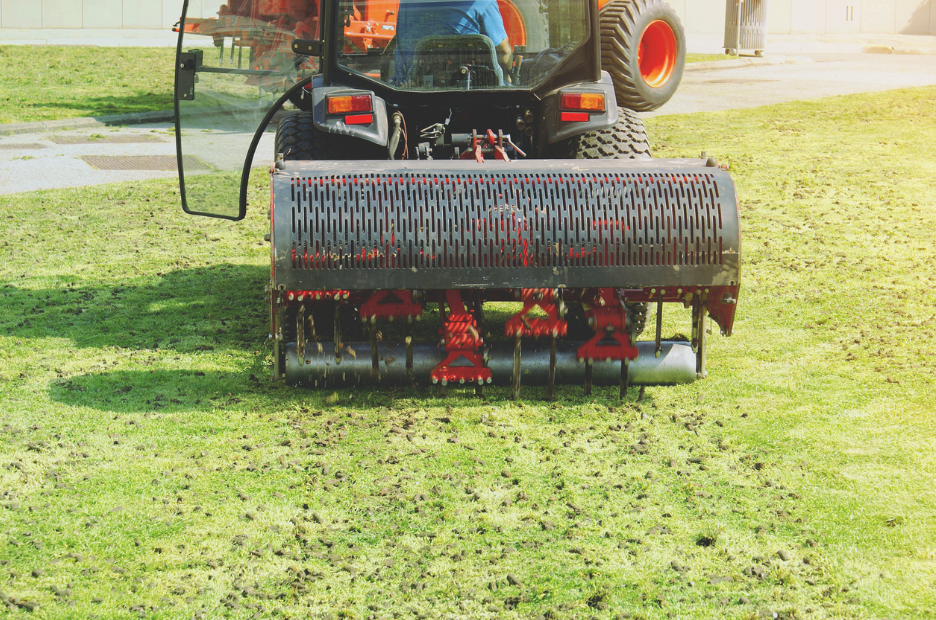
Aeration helps by creating small openings throughout the lawn. A core aerator removes small plugs of soil, allowing water and air to penetrate deeper while giving roots better access to the nutrients they need.
There are several types of aerators available, but core aeration is generally more effective than simply using spikes to create holes. While spike aerators push soil aside, core aerators physically remove plugs of soil, helping relieve compaction throughout the lawn.
How to Prepare Your Lawn for Aeration
A little preparation before and after aeration can help you get more from the process:
- Water before aerating: Deeply water your lawn one to two days beforehand. Ideally, the soil should be moist enough for the aerator to penetrate effectively without becoming muddy or overly saturated.
- Leave the soil plugs behind: Your lawn may look a little messy immediately afterward, but don’t remove the small plugs left behind by the aerator. As they naturally break down, they return organic material and nutrients to the soil.
- Consider overseeding: Aeration creates an excellent opportunity to overseed thin or bare areas. Because the soil has been opened up, grass seed can make better contact with the soil and have a better opportunity to establish.
- Fertilize as needed: Fall fertilization can also support root development and help your grass build strength before colder winter weather arrives.
When Is the Best Time to Aerate in Northern Nevada?
Timing matters when it comes to aeration. For Northern Nevada lawns, early fall is generally an ideal time to get the job done.
Our hot, dry summers can put considerable stress on both grass and soil. As temperatures begin to cool in early fall, conditions become more favorable for grass to recover and strengthen its roots.
Aerating during this window helps relieve the compaction that developed over the summer while giving your lawn time to recover before winter.
Waiting too long can mean the grass has less time to benefit before colder temperatures arrive. On the other hand, aerating during the hottest part of summer can add unnecessary stress to an already struggling lawn.
Give Your Lawn a Head Start on Spring
A beautiful spring lawn doesn’t start in spring. The work you put into your yard during the fall can make a big difference when the next growing season arrives.
Aeration can improve soil conditions, encourage stronger roots, and create better conditions for water, nutrients, and grass seed to reach where they’re needed most.
For Northern Nevada homeowners, fall is the perfect opportunity to give a hardworking lawn some attention after a long summer and set it up for a healthier spring.
2 Crazy Gardeners Landscaping is your go-to team for turning your outdoor visions into reality. Contact us HERE to start the process of bringing your lawn dreams to life.